The same project management discipline and technical review behind every one.
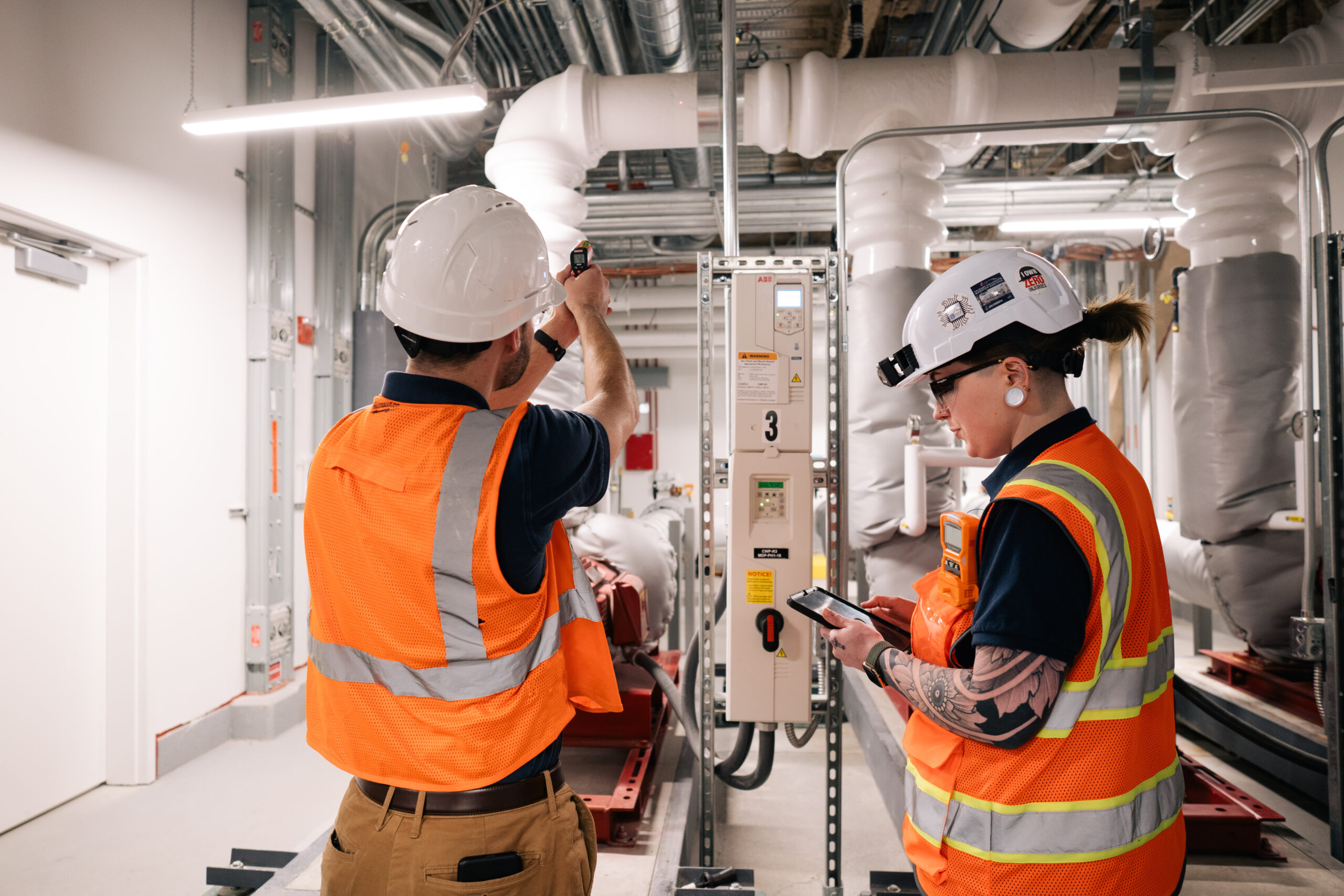
Our team has actively contributed to the development of key industry M&V guidance, including the International Performance Measurement and Verification Protocol (IPMVP), ASHRAE's Guideline 14 M&V Guide, and the U.S. DOE's Federal Energy Management Program (FEMP) M&V Guide for its performance contracting program. We've also authored detailed M&V protocols for federal agencies with widespread recognition, such as the Bonneville Power Administration, helping standardize how energy savings are verified industry wide.
Depending on the application and client requirements, we develop and implement M&V methods spanning the full range of IPMVP options — from straightforward retrofit isolation to complex whole-facility approaches.
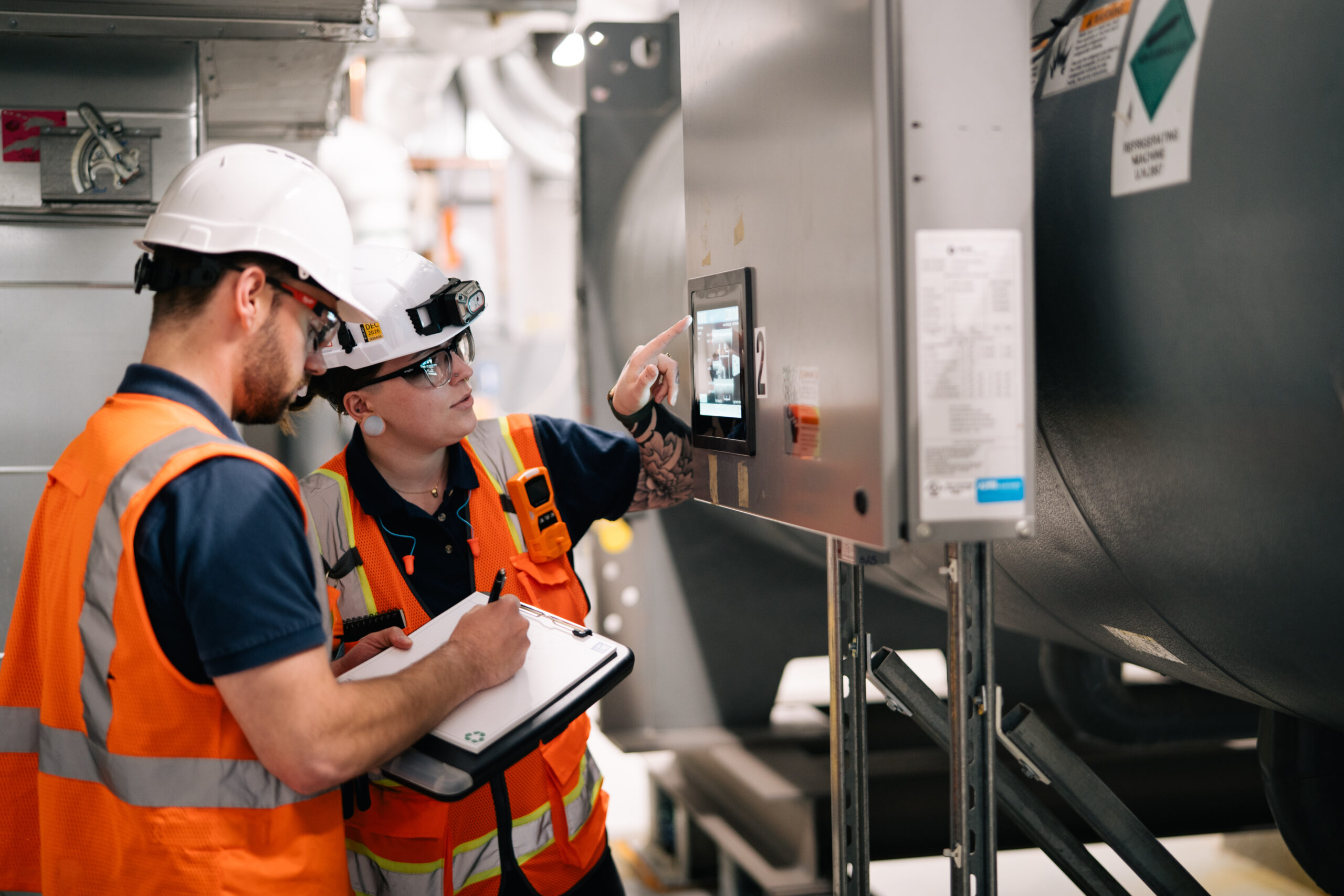
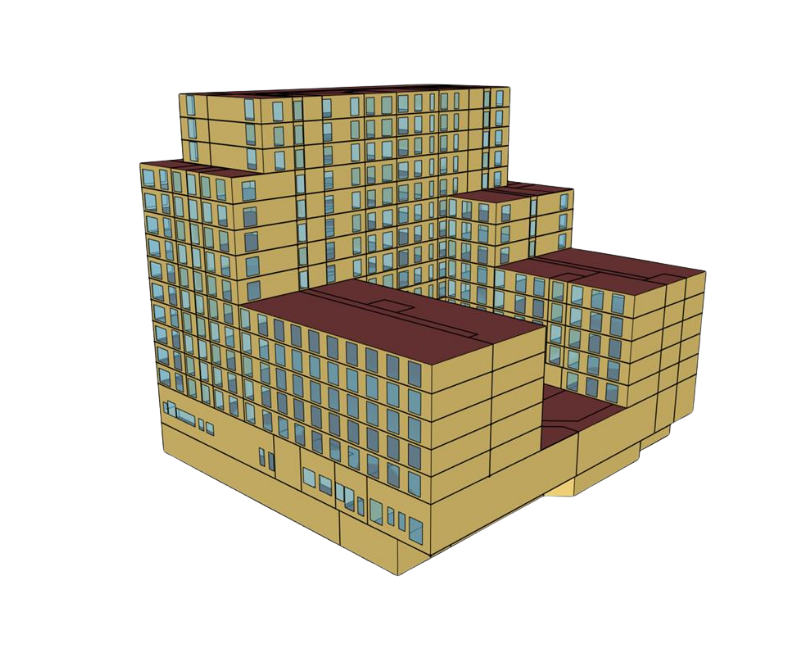
kW Engineering delivers high-quality, defensible energy modeling that holds up under two very different kinds of scrutiny: the regulatory review utility efficiency programs demand, and the real-world decisions building owners have to make. Our ASHRAE-certified Building Energy Modeling Professionals (BEMPs) support programs at every stage, from custom project savings calculations to program-level measure development and evaluation across complex facility types including laboratories, hospitals, schools, and office campuses, with modeling approaches tailored to each program's specific requirements and evaluation protocols. That same technical rigor ensures models withstand regulatory review and stand behind the savings they claim.
For owners, the value shows up earlier and more directly. A well-constructed energy model, paired with an LCCA or NPV analysis, gives design teams critical insight during Design Development — evaluating architectural and mechanical system alternatives, cross-checking equipment sizing, identifying control strategies, weighing the impact of utility rates, and forecasting operating cost budgets. For utility programs, that means confidence in the numbers and savings that get realized. For owners, it means a model that actively shapes better, more cost-effective design decisions before they're locked in.
Aging infrastructure, climate-driven stress, and rising demand have increasingly focused attention on Demand Response and offering the financial incentives to match. Traditional DR approaches, like dimming the lights or cycling pumps, deliver the baseline load relief utilities need, but few participants tap the full potential of their building's systems to shed load and turn their facility into part of the solution.
Informed by asset, maintenance, and field data and drawing on deep knowledge of how buildings and their systems actually operate, our team helps customers develop comprehensive strategies that let a facility participate in utility DR events using its existing infrastructure and building automation systems, without compromising occupant comfort or the facility's core purpose.